Step-by-Step Guide: Where to Start with your Structural Timber Frame Self-Build
18.12.2025
7 minute read

Embarking on a self-build timber frame project is an exciting journey — one that blends creativity, craftsmanship and thoughtful planning. Whether you’re dreaming of a new home, a timber-framed extension or an annexe/outbuilding, the right preparation will make the process smoother, more rewarding and ultimately successful. This guide outlines the key steps to get started.
1. Research & Inspiration
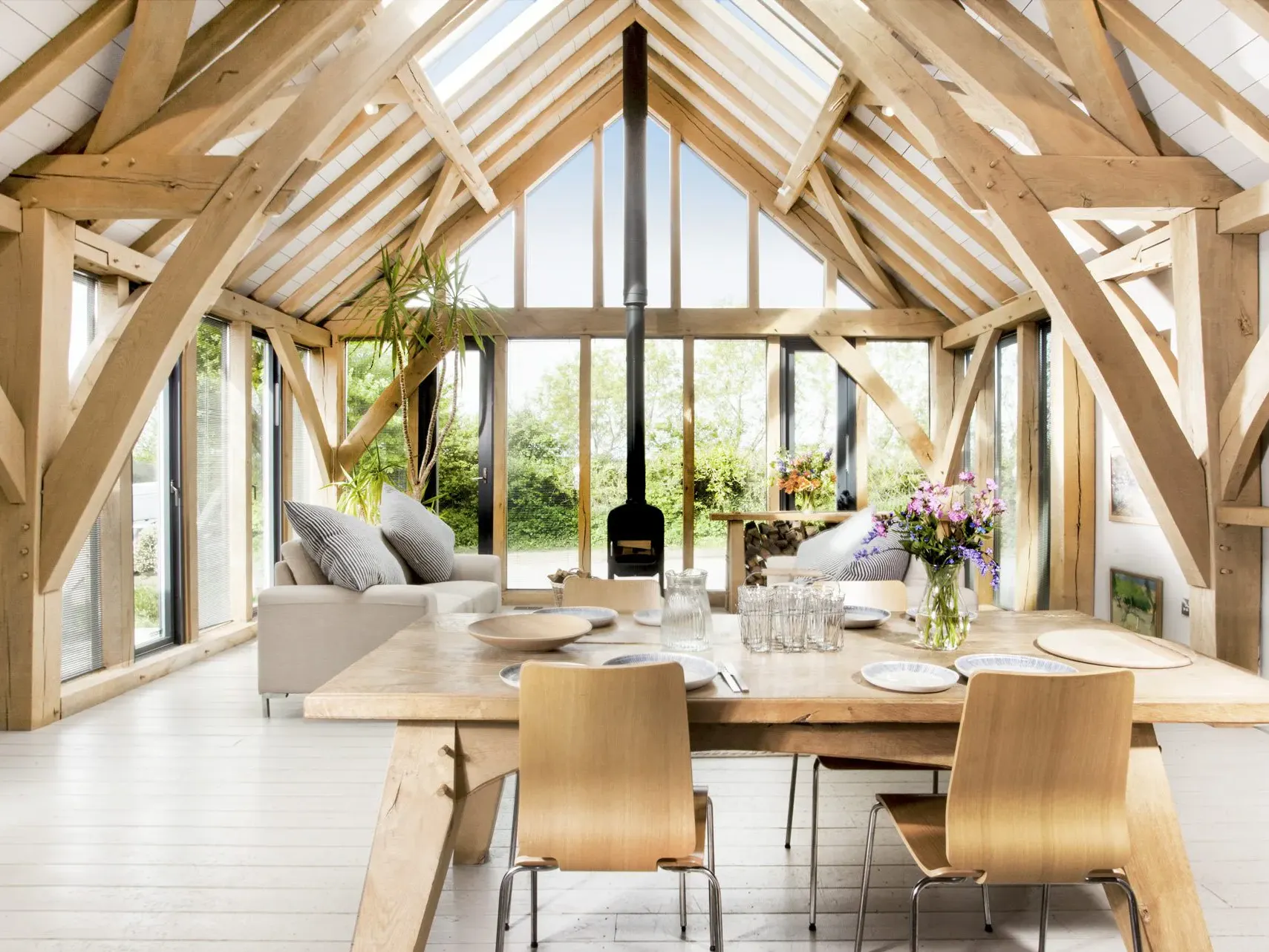
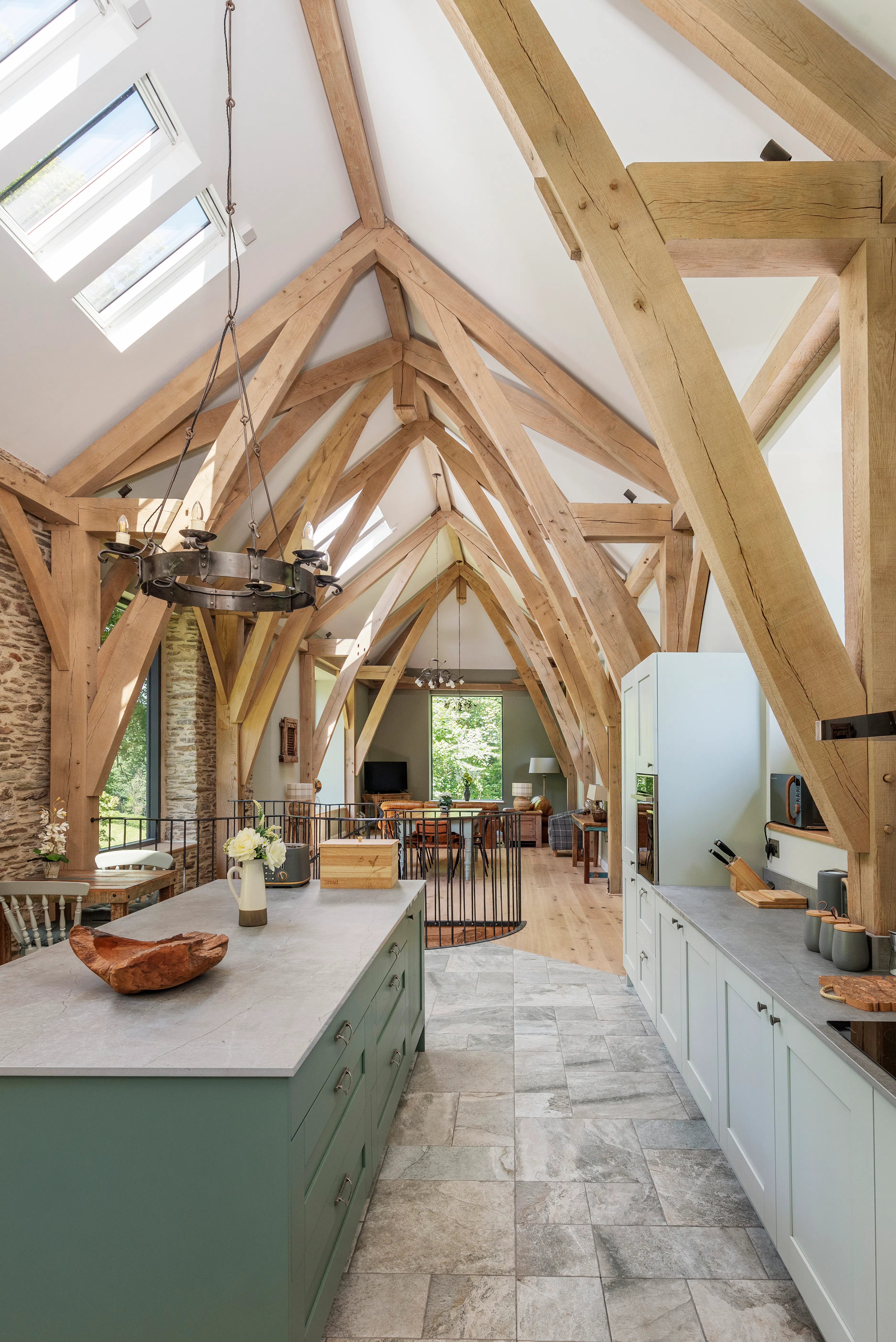
Begin by understanding what you want from your home. Explore architectural styles, material choices, types of truss styles, and case studies that resonate with your lifestyle and site. Create a Pinterest board or scrapbook of ideas to clarify your preferences — from open-plan layouts to vaulted oak interiors. Collecting imagery, visiting completed projects and understanding how timber framing shapes space will help refine your brief.
If you’re building an extension – decide what you want it to achieve: more living space, a kitchen/dining area, garden room, or multi-use space. Clarify how it will connect to your home’s existing layout and because extensions interact with existing structures, you’ll need careful structural assessment and detailing to ensure seamless integration.
For annexes and outbuildings – define the purpose: guest suite, home office, gym, studio or holiday let. Your use case influences size, services (plumbing, heating, electrics), performance requirements, and importantly – planning. We have more information about planning permission for annexes and outbuildings here.
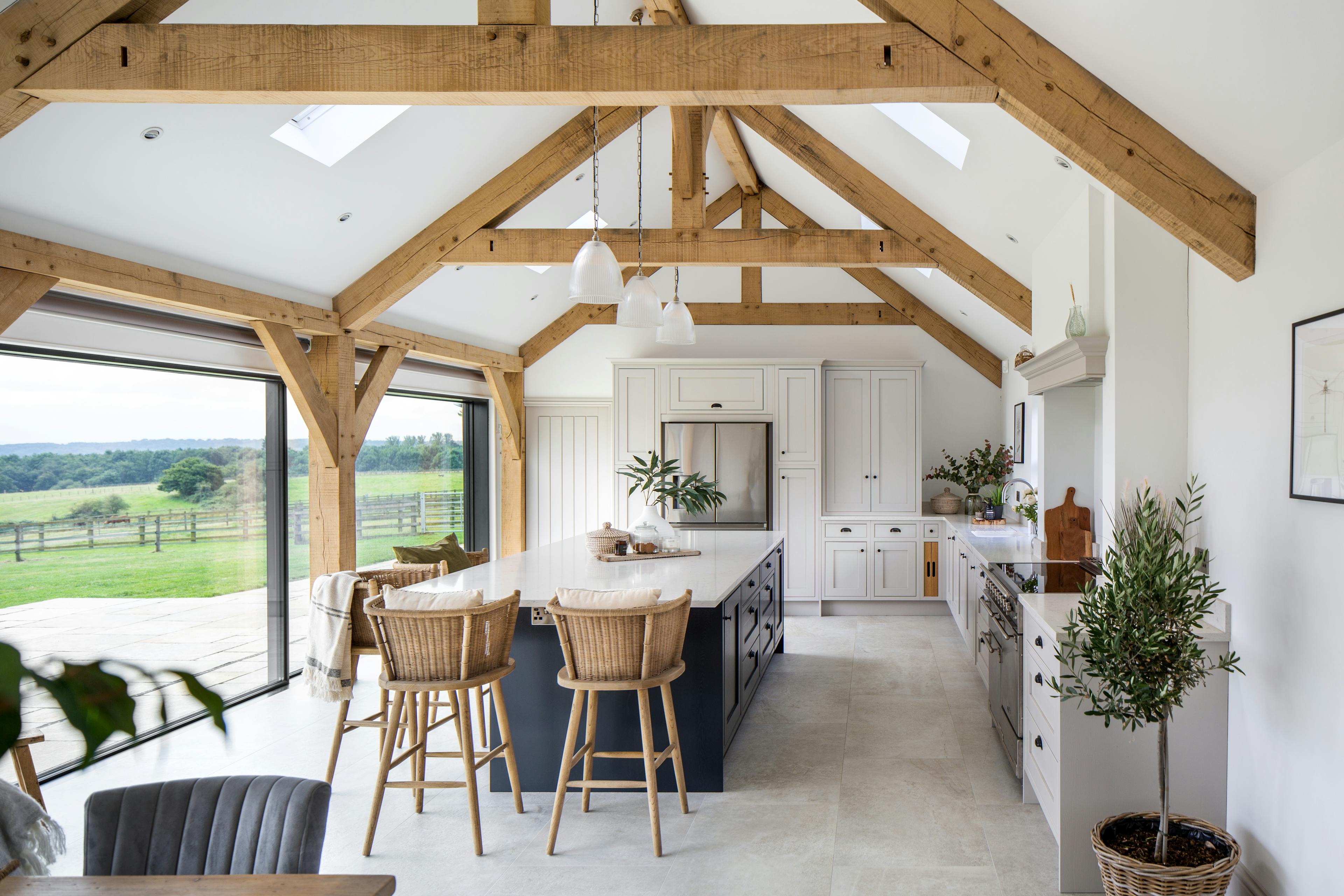
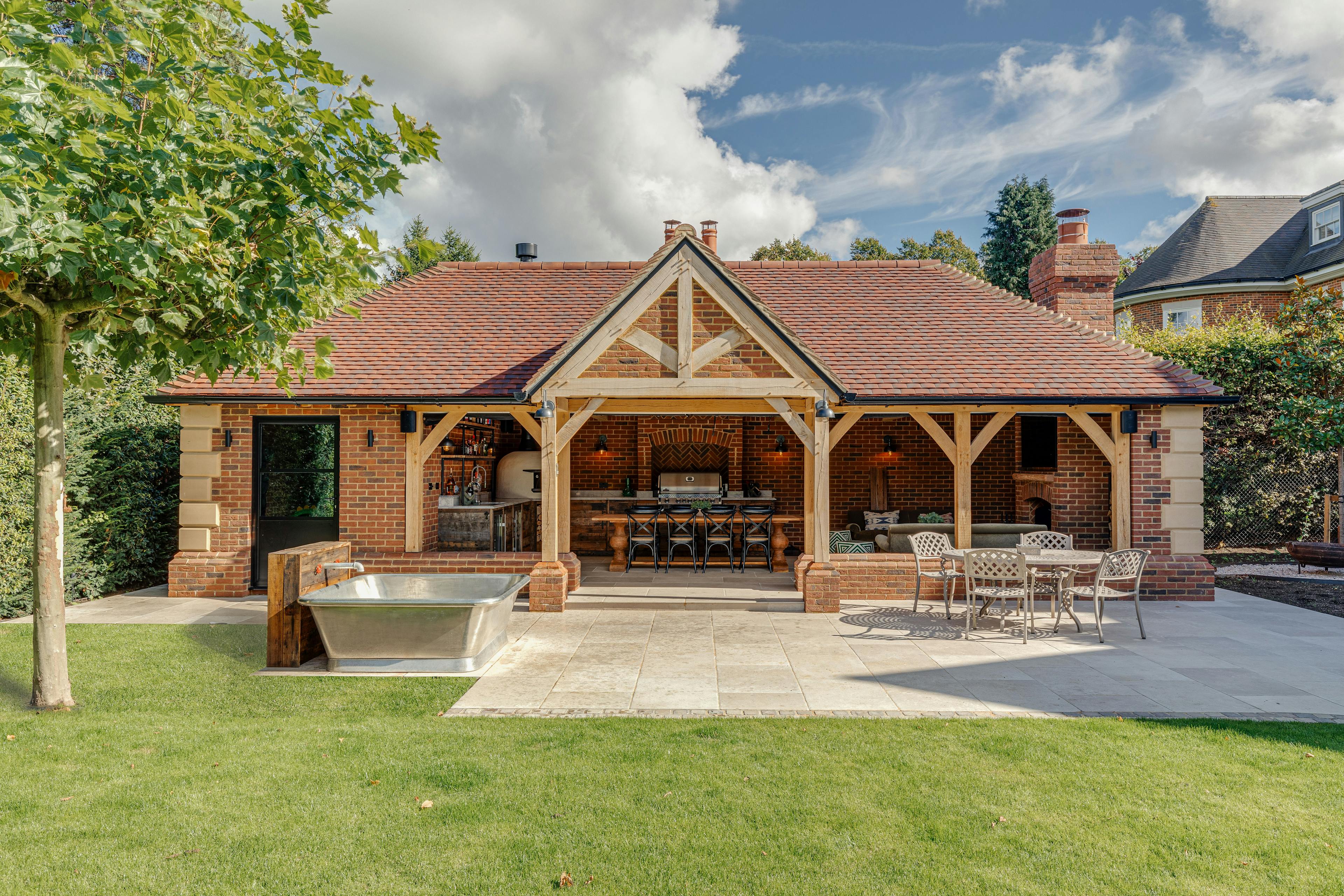
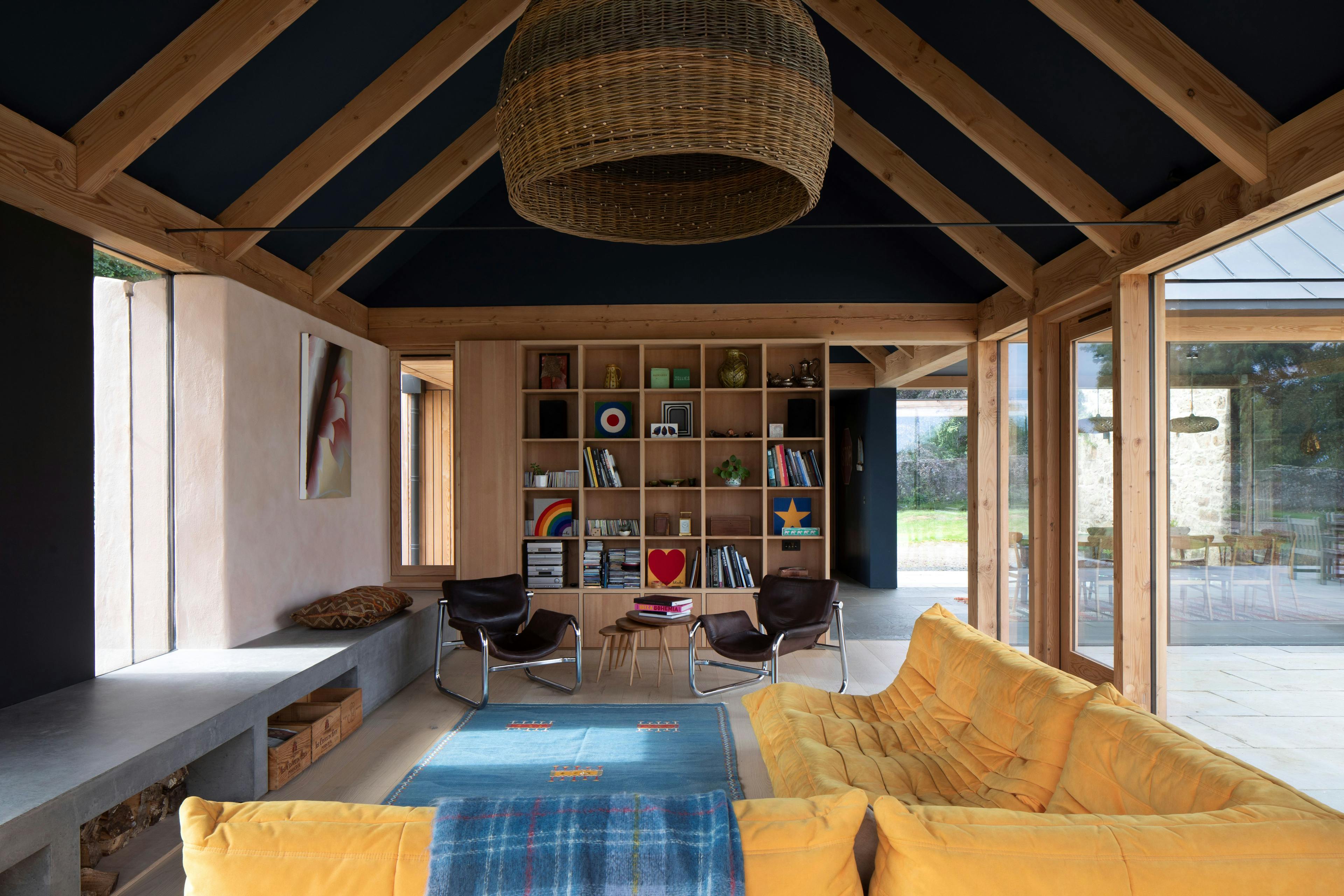
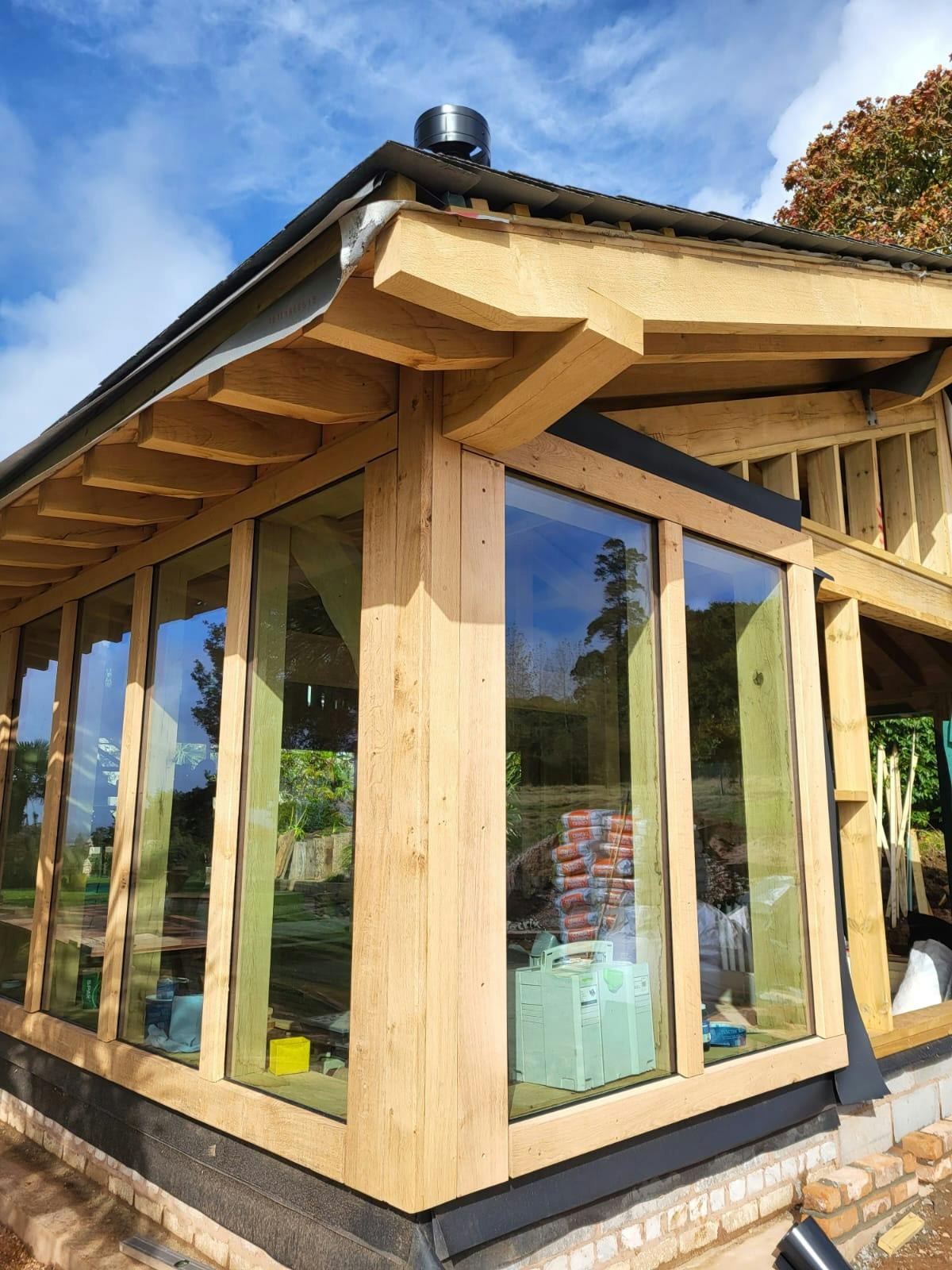
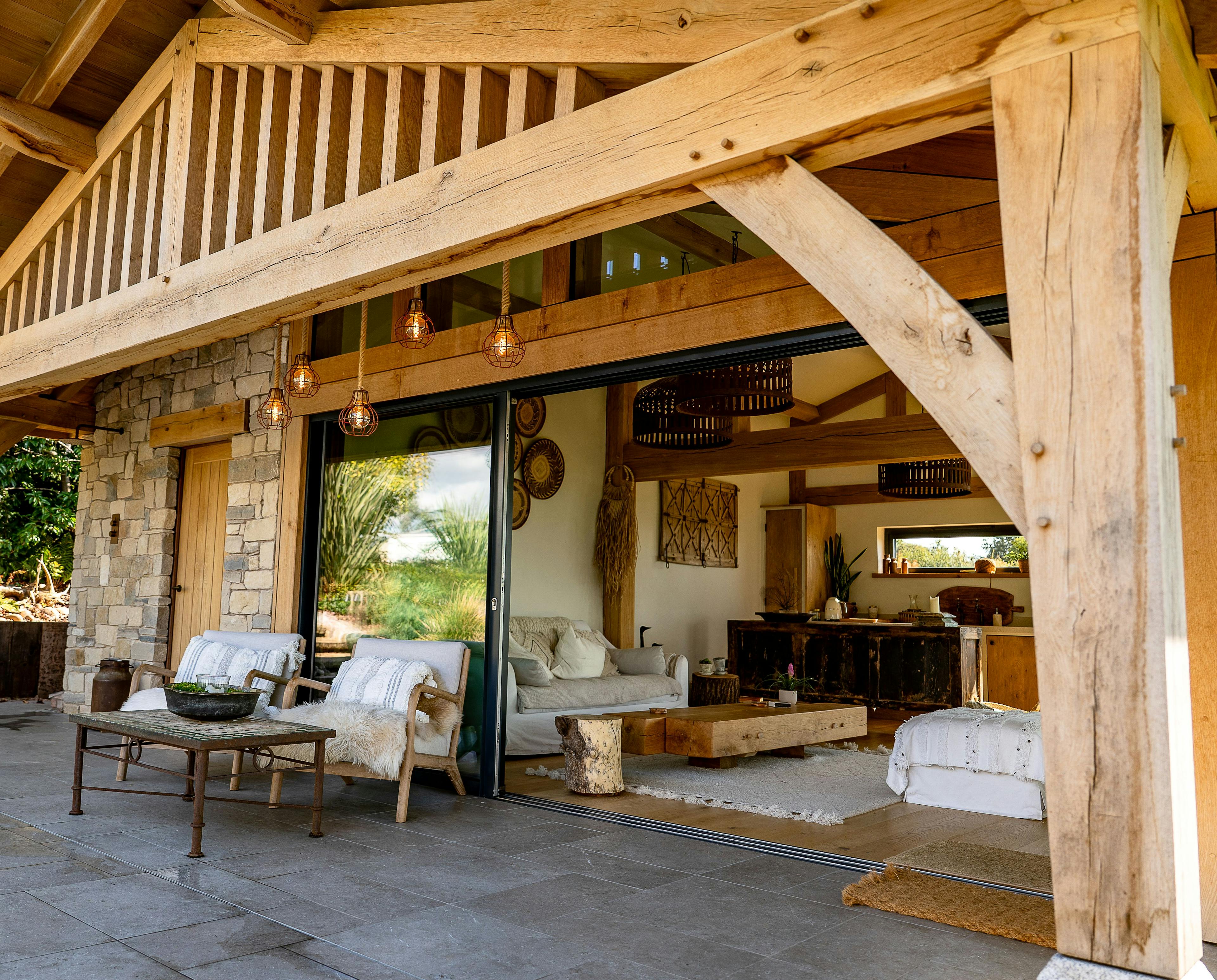
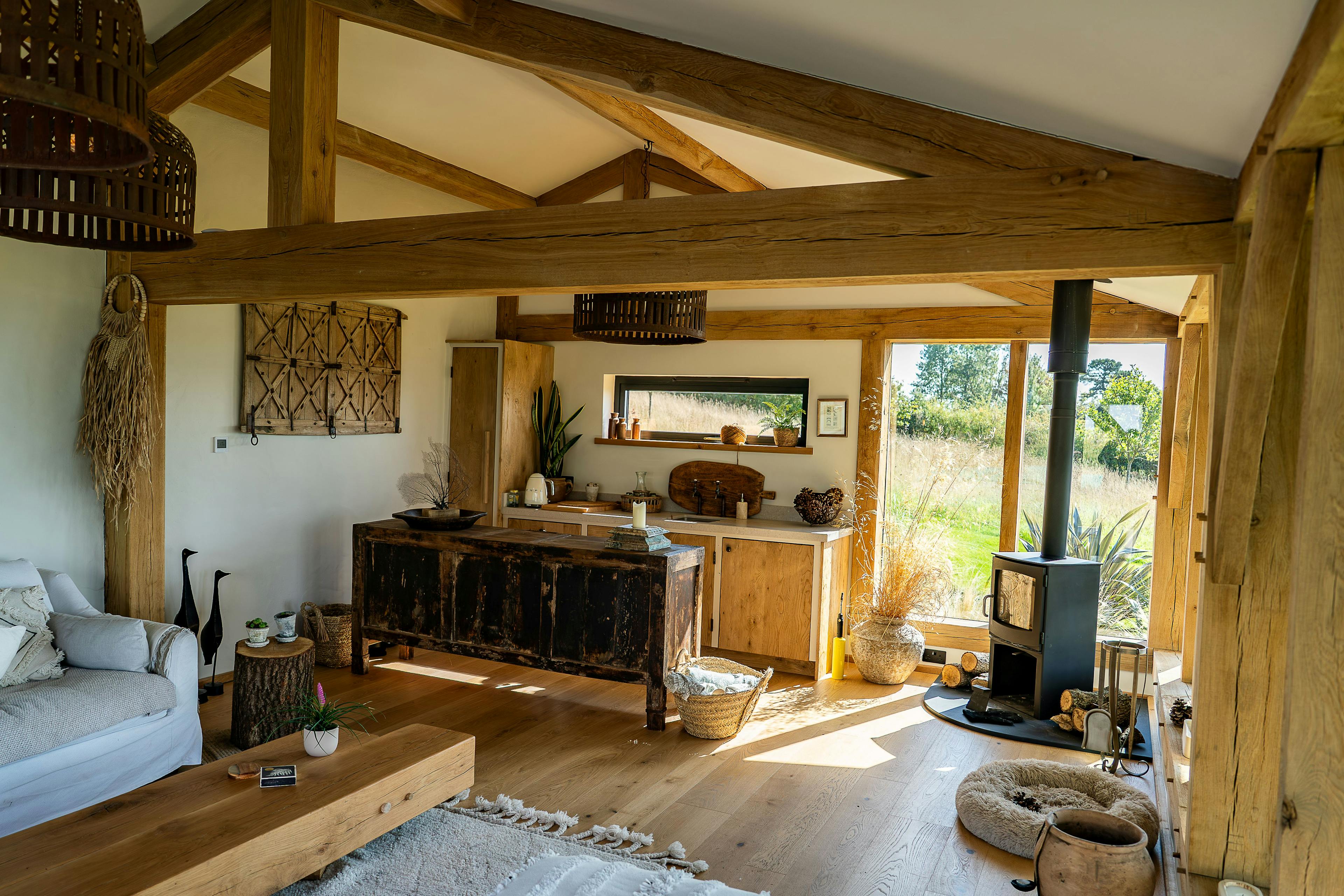
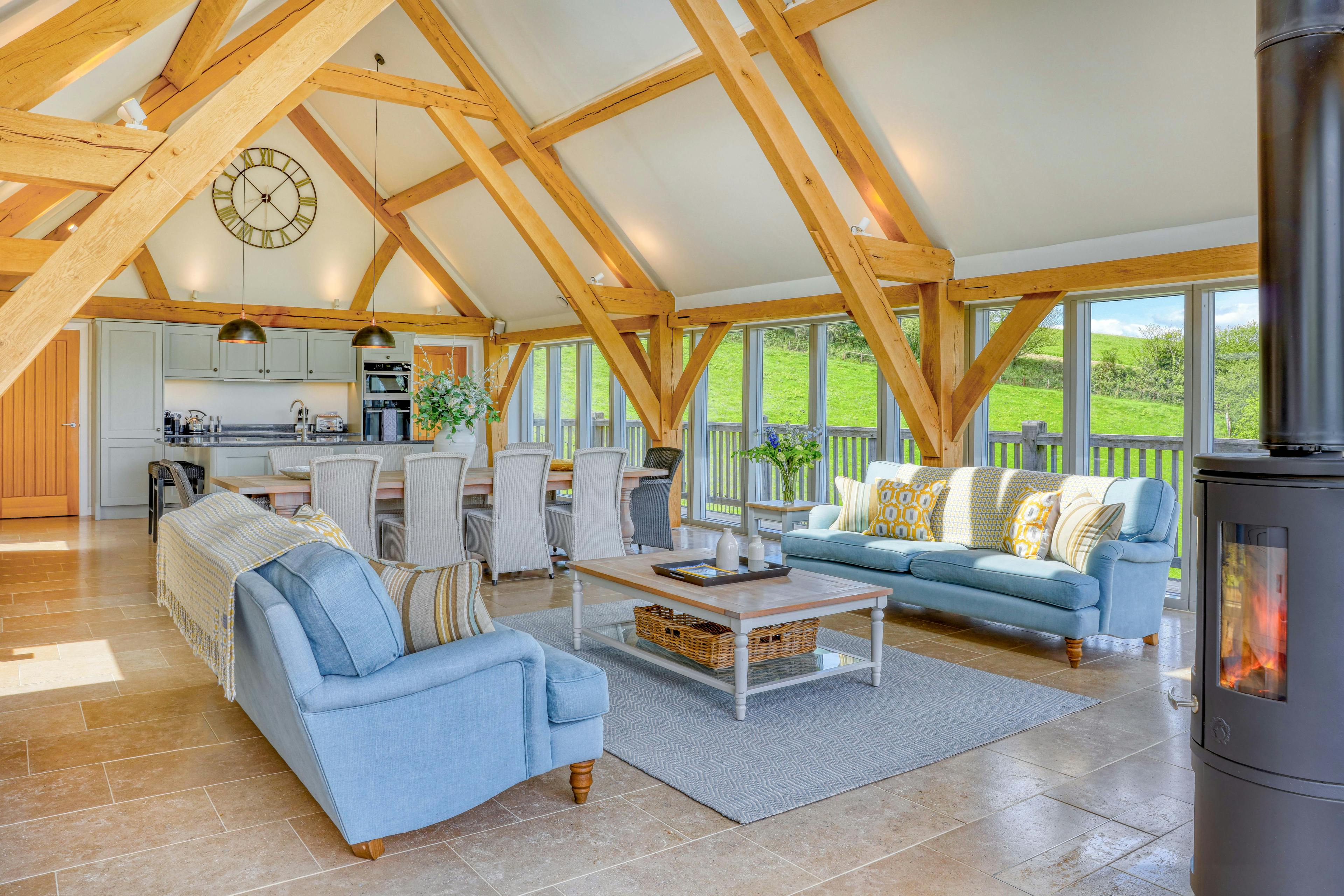
A hybrid frame (New-build home in the country), an outdoor entertainment space (Outdoor Bar and Kitchen), and a Douglas fir extension (Renton Hall)
A hybrid frame (New-build home in the country), an outdoor entertainment space (Outdoor Bar and Kitchen), and a Douglas fir extension (Renton Hall)
2. Budgeting & Finance
Establishing a clear and realistic budget early is critical to the success of any project. For new-build homes, your budget should account for all stages of development, not just the build itself. This typically includes:
- Land purchase and associated legal fees
- Professional fees (architectural design, timber frame design, structural engineering, surveys, planning consultants)
- Planning and Building Regulations applications
- Groundworks and substructure
- Timber frame manufacture and erection
- Building wrap (insulation, glazing, roofing, cladding)
- Mechanical and electrical services
- Internal finishes, joinery and fitted furniture
- External works and landscaping
- A sensible contingency allowance
Many self-build projects are funded through staged finance or self-build mortgages, which release funds at key milestones such as foundations, frame erection and weather-tight stage. Early conversations with mortgage brokers or specialist lenders help ensure your funding structure aligns with the build programme and timber frame delivery.
For extensions and renovations, budgets often focus on high-value areas of the home. Kitchens, large glazed openings, oak detailing and bespoke joinery can significantly influence costs. It’s important to consider these elements early so that design ambition and financial reality remain aligned.
At Carpenter Oak, early technical input helps establish realistic cost expectations, particularly where timber framing, complex structures or high-performance envelopes are involved.
3. Finding or assessing land
Securing the right site is one of the most important decisions in a new-build project. A well-chosen plot supports good design, efficient construction and long-term enjoyment of the building.
Key considerations include:
- Location, access and local context
- Orientation for daylight, views and solar gain
- Availability of services (water, drainage, electricity, broadband)
- Ground conditions and topography
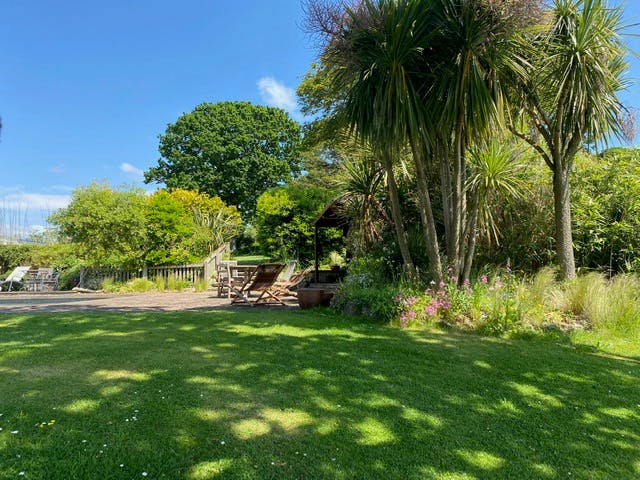
- Planning designations such as conservation areas, AONBs, flood zones or green belt
Site constraints can have a significant impact on both design and cost, particularly where specialist foundations, planning negotiations or sensitive architectural responses are required.
For annexes and outbuildings, careful thought should be given to how the building relates to the main house and garden, privacy, access and how services will be routed. For extensions, orientation and connection to existing spaces are critical - maximising natural light, improving flow and ensuring the new structure integrates technically with the existing building.
Carpenter Oak regularly provides early-stage site assessments, helping clients understand how a timber frame solution can respond to site opportunities and constraints before committing to purchase or design.


4. Planning Permission & Permitted Development
Most new-build homes require full planning permission, and early engagement with the local planning authority is strongly recommended. Understanding local policy, constraints and precedent helps shape a design that is both ambitious and deliverable.
Working with an architect, planning consultant and timber frame specialist early in the process can:
- Identify potential planning risks
- Inform massing, scale and form
- Reduce the likelihood of costly redesigns or delays
Some extensions, annexes and outbuildings may fall under permitted development rights, avoiding the need for a full planning application. However, this is dependent on factors such as size, height, location and site history. Even where permitted development applies, technical design, Building Regulations approval and structural coordination are still required.
We always recommend confirming planning requirements with your local authority or via the planning portal before proceeding.
5. Building Your Design Team
A successful project relies on assembling the right team at the right time.
This typically includes:
- Architect or architectural designer
- Structural engineer
- Timber frame specialist
- Surveyors and technical consultants
- A main contractor or construction manager
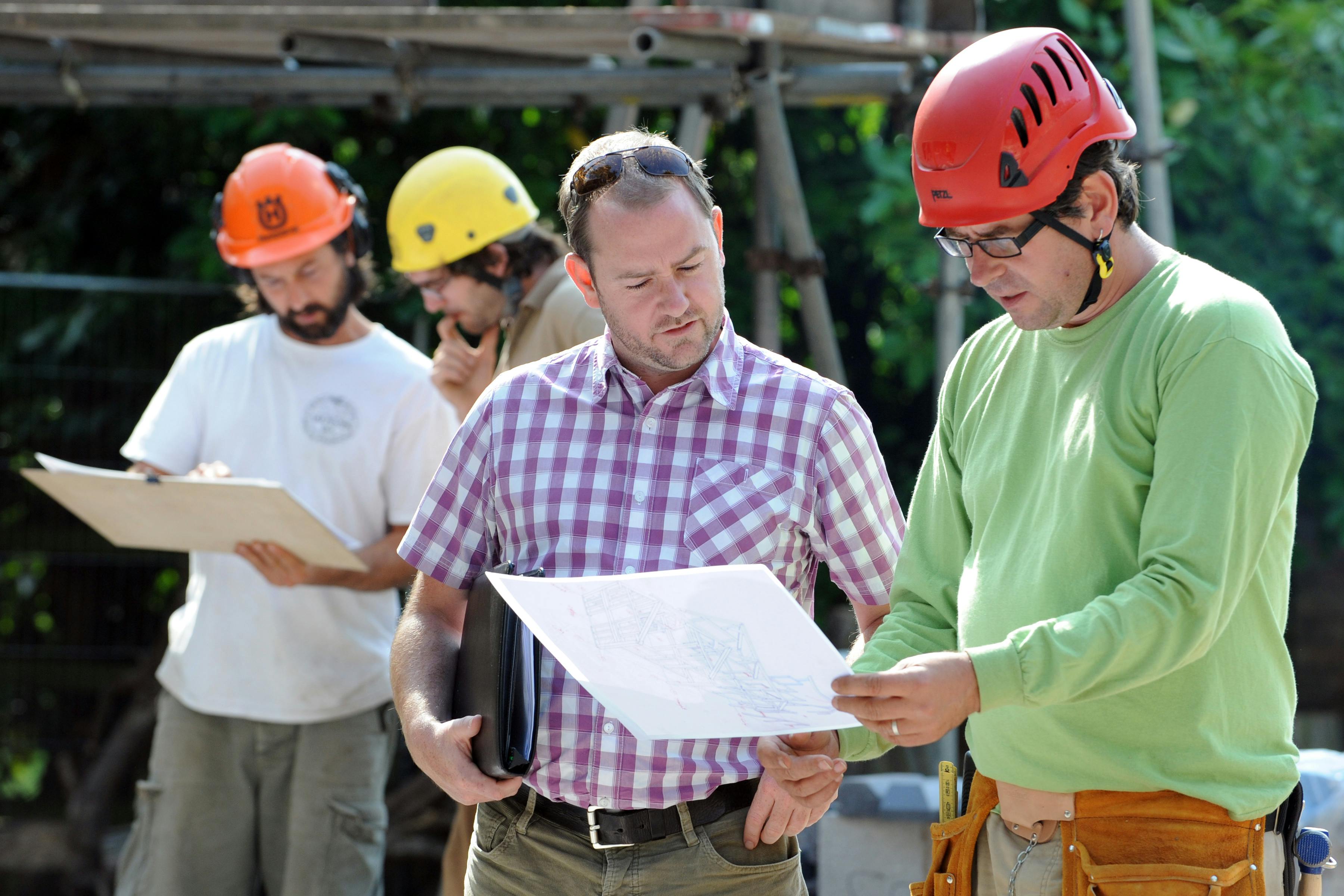
Bringing timber-focused specialists such as Carpenter Oak into the process early allows the structure, architectural expression and performance of the timber frame to be fully integrated into the design. This joined-up approach reduces risk, improves buildability and ensures the frame supports both the aesthetic and technical goals of the project.
Our in-house architectural and technical teams work closely with external consultants and contractors, providing clarity, coordination and continuity from concept through to fabrication.

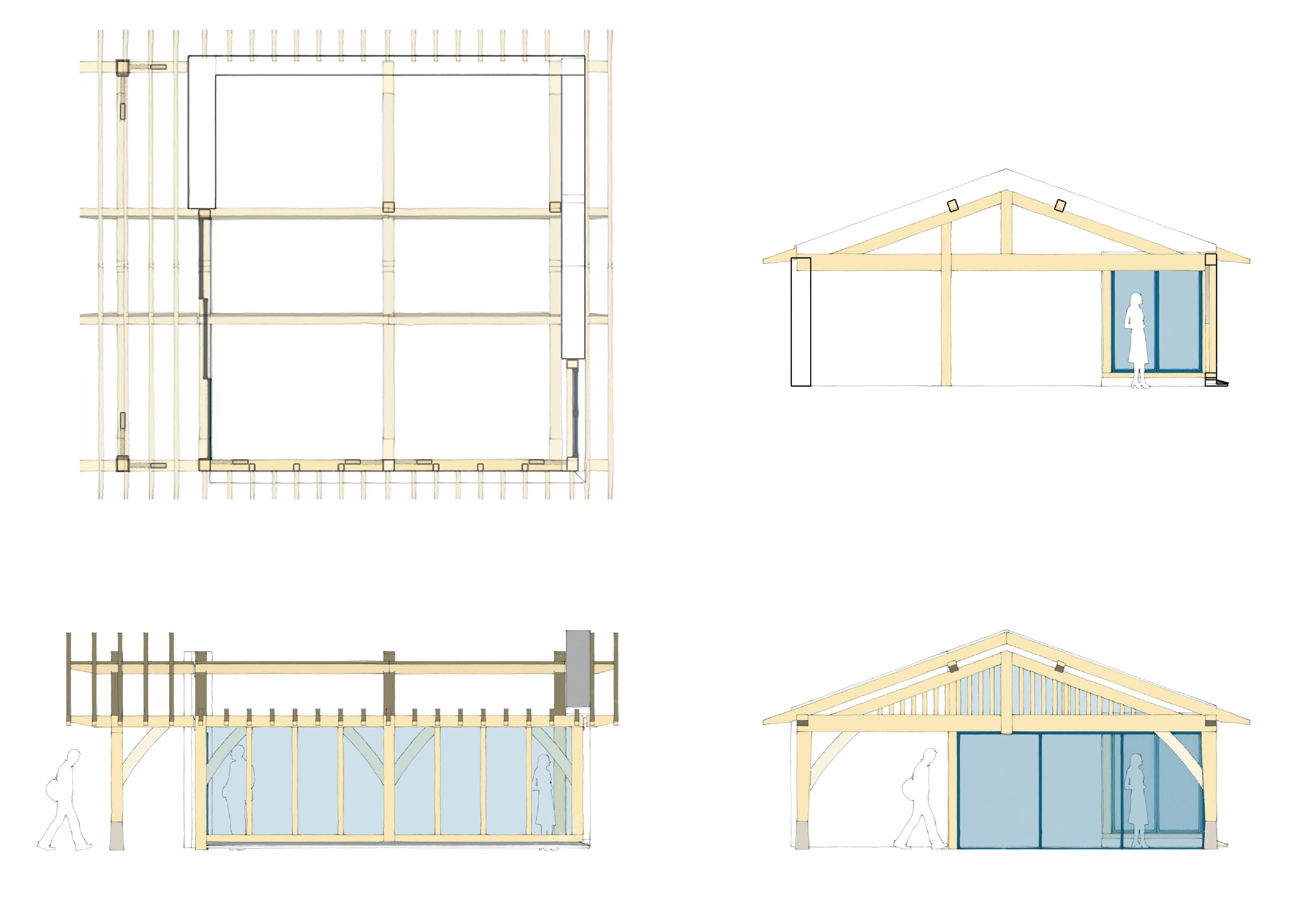
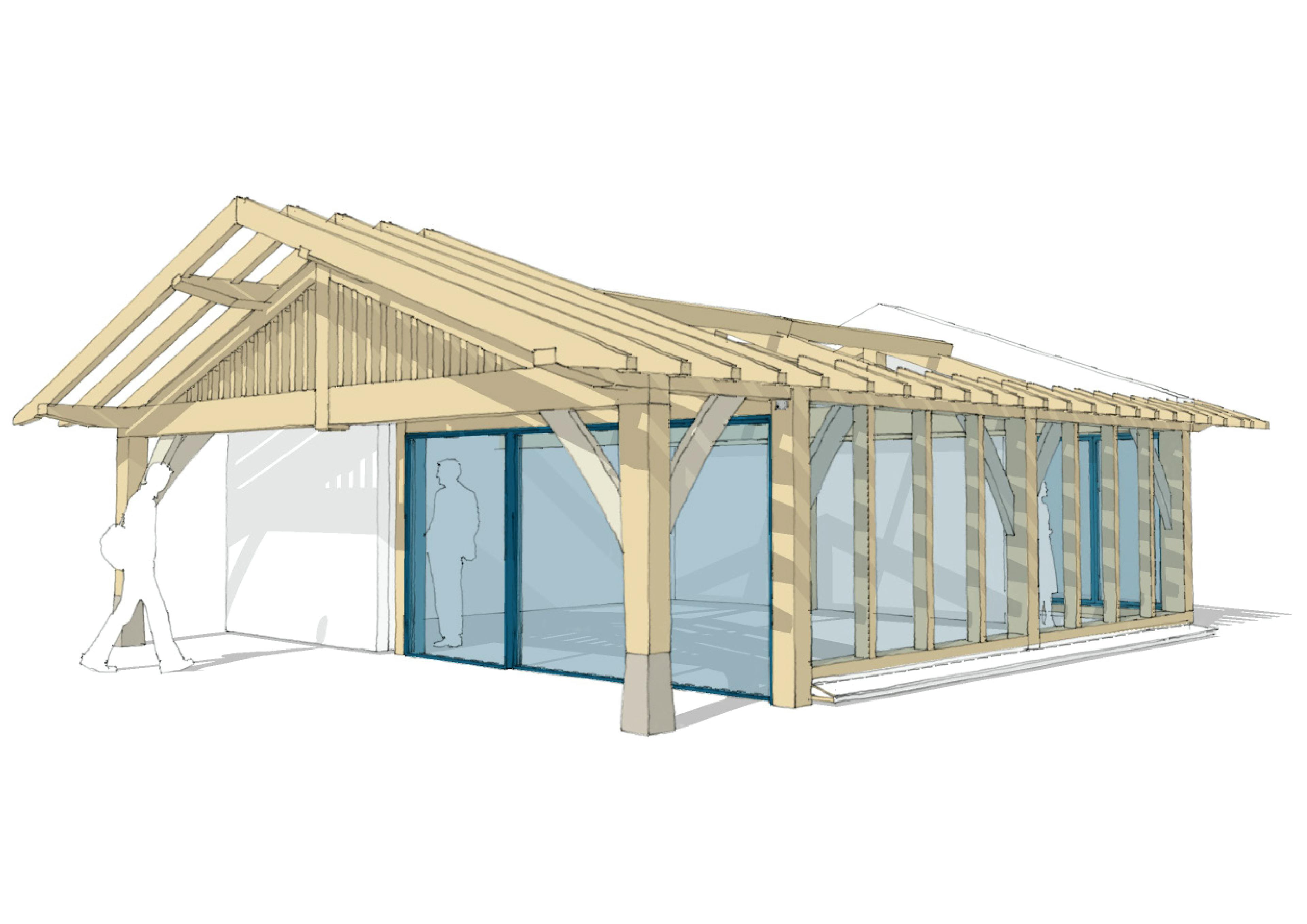
6. Concept Design
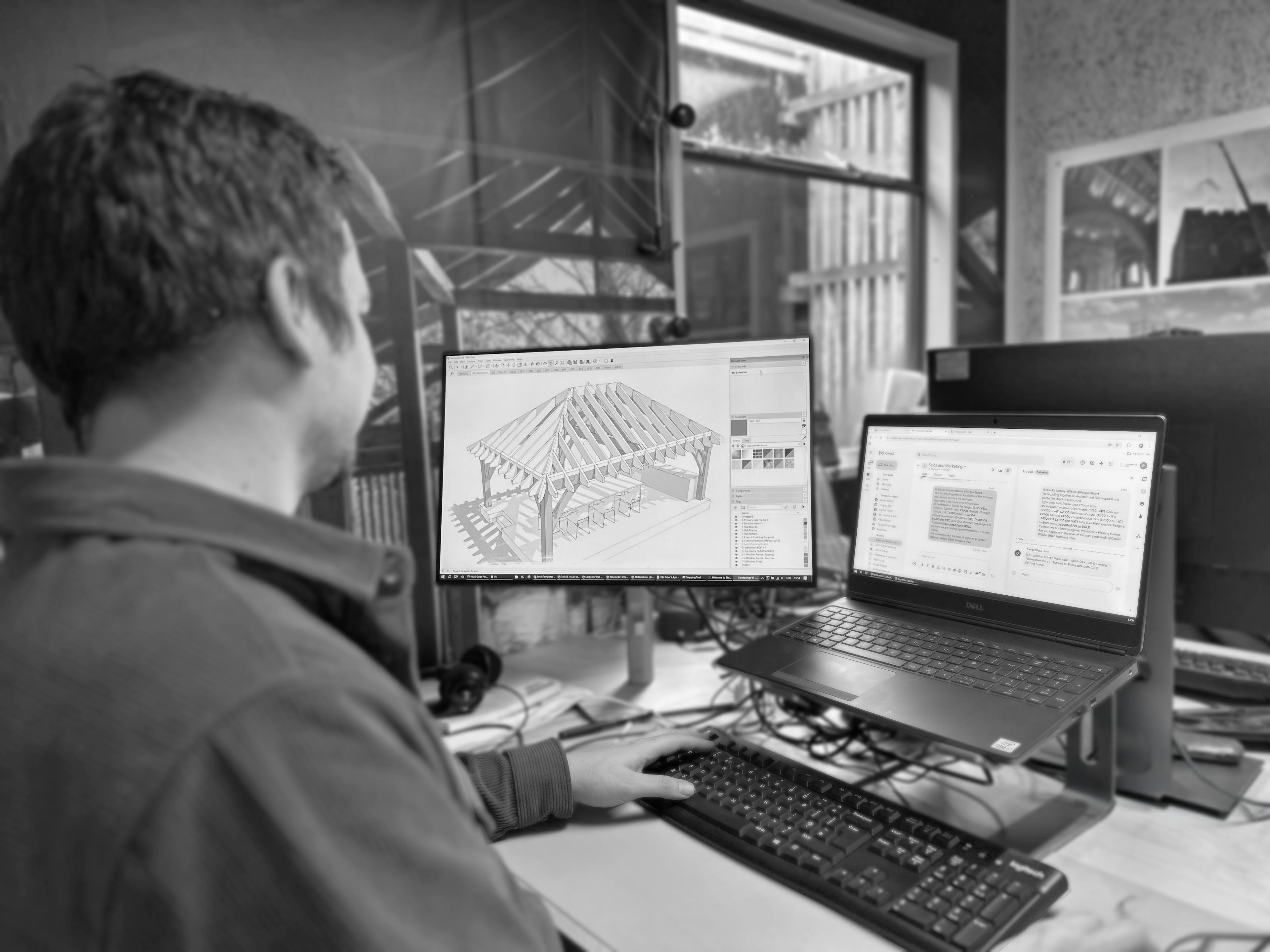
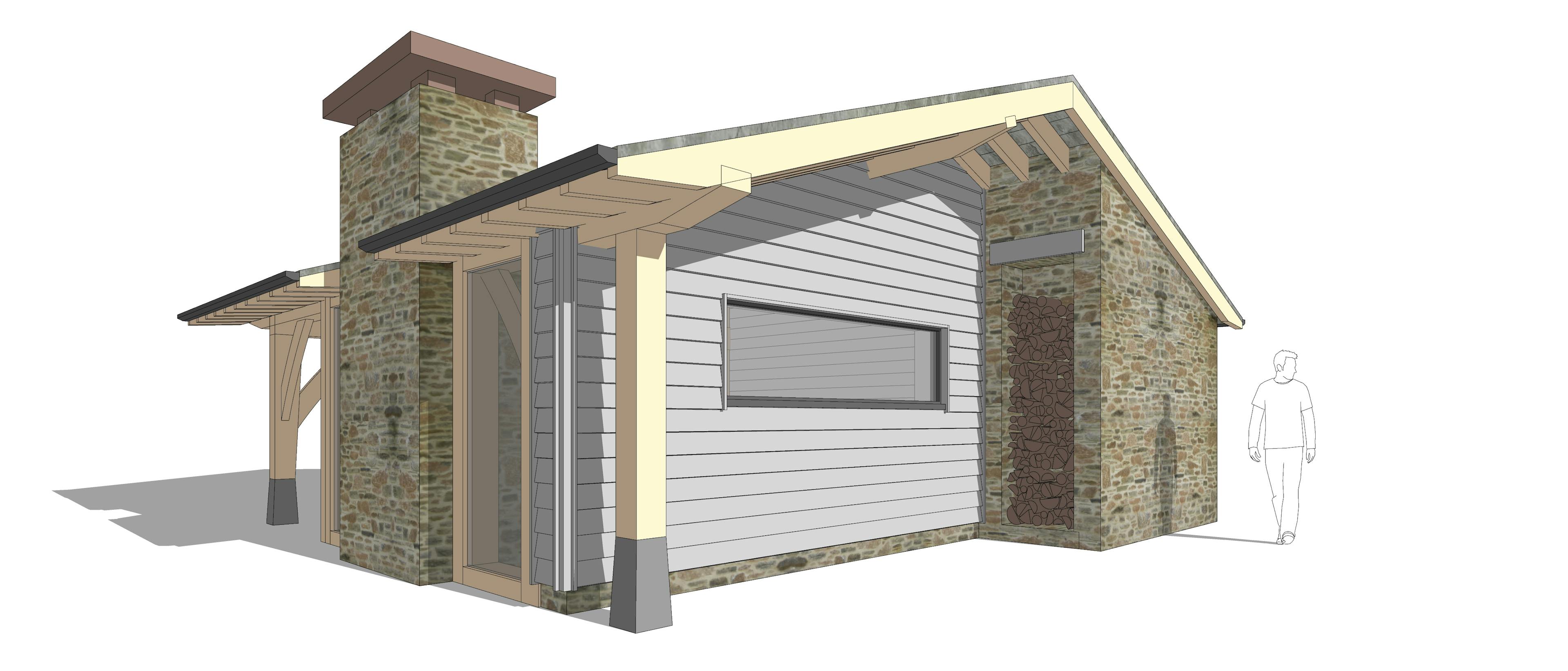
At concept stage, your brief is translated into clear, well-considered design proposals. Early schematic layouts and 3D studies explore how the building will sit on the site and how spaces will work together.
This stage typically addresses:
- Building orientation, massing and relationship to the site
- Spatial planning, circulation and internal volumes
- Initial structural strategy and timber frame principles
- The role of oak framing in shaping space and character
- Early consideration of planning constraints and feasibility
Decisions are explored around whether the oak frame will be a primary architectural feature - defining vaulted spaces, open plans and glazed elevations - or a more restrained structural presence.
For extensions and renovations, concept design also considers:
- How the new structure relates to the existing building
- Opportunities to improve light, flow and spatial quality
- The overall architectural balance between old and new
The outcome is a clear design direction that is spatially, structurally and aesthetically resolved before progressing to technical design.
7. Technical Design & Engineering
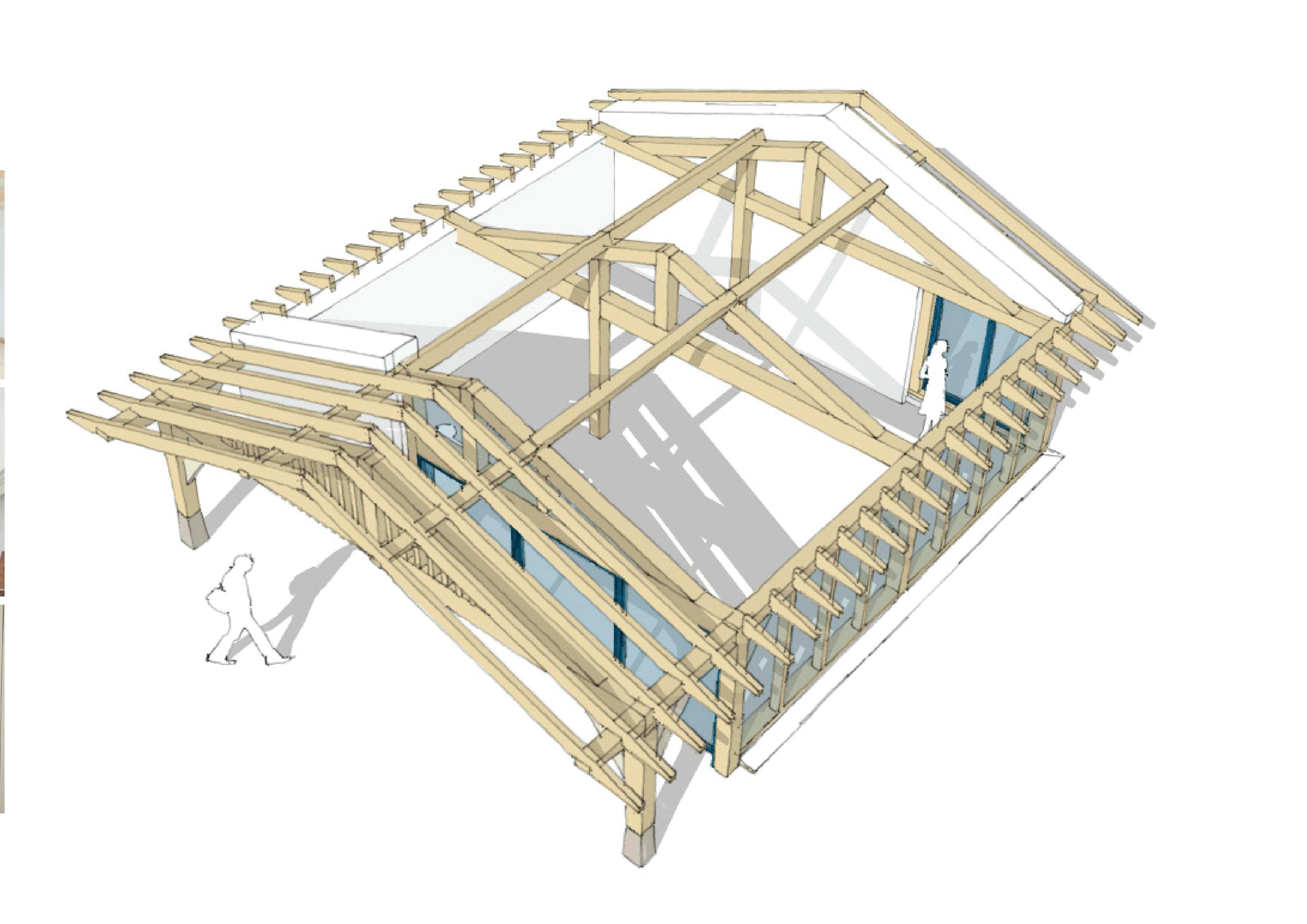
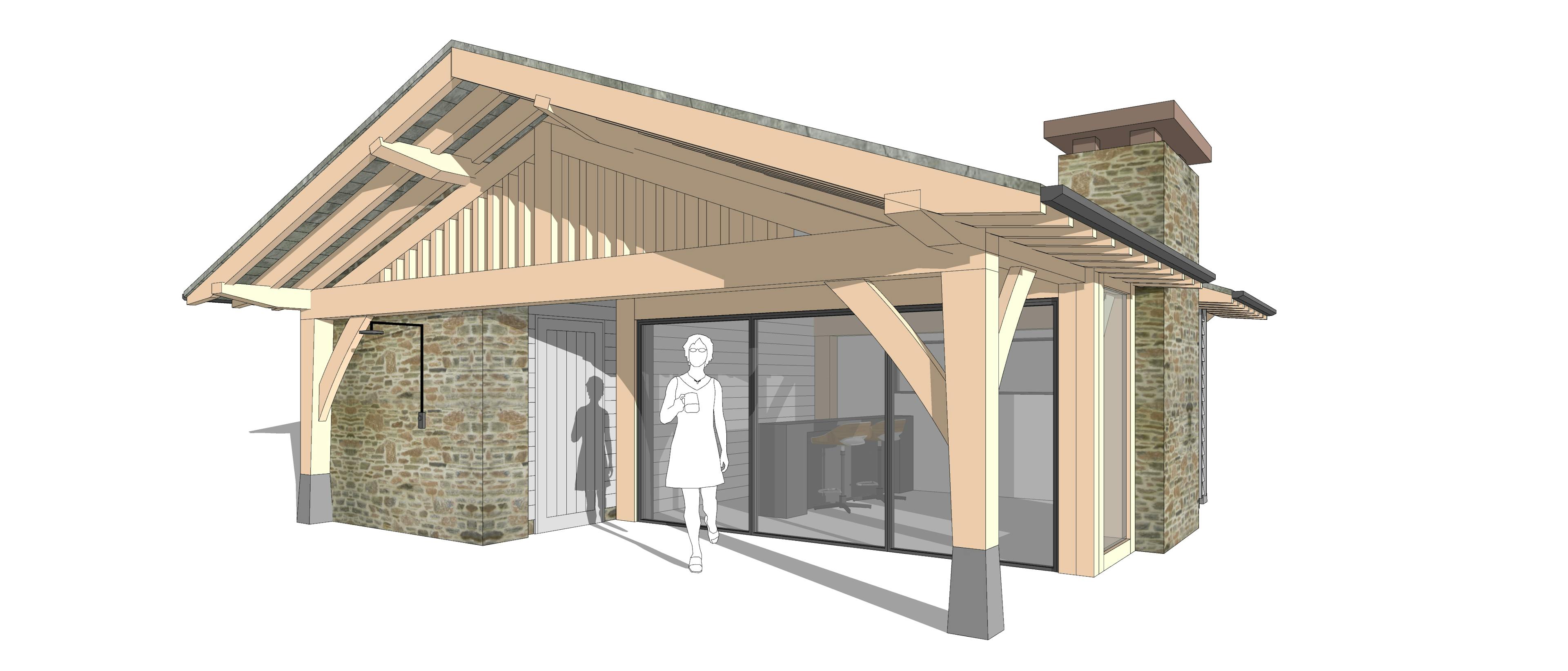
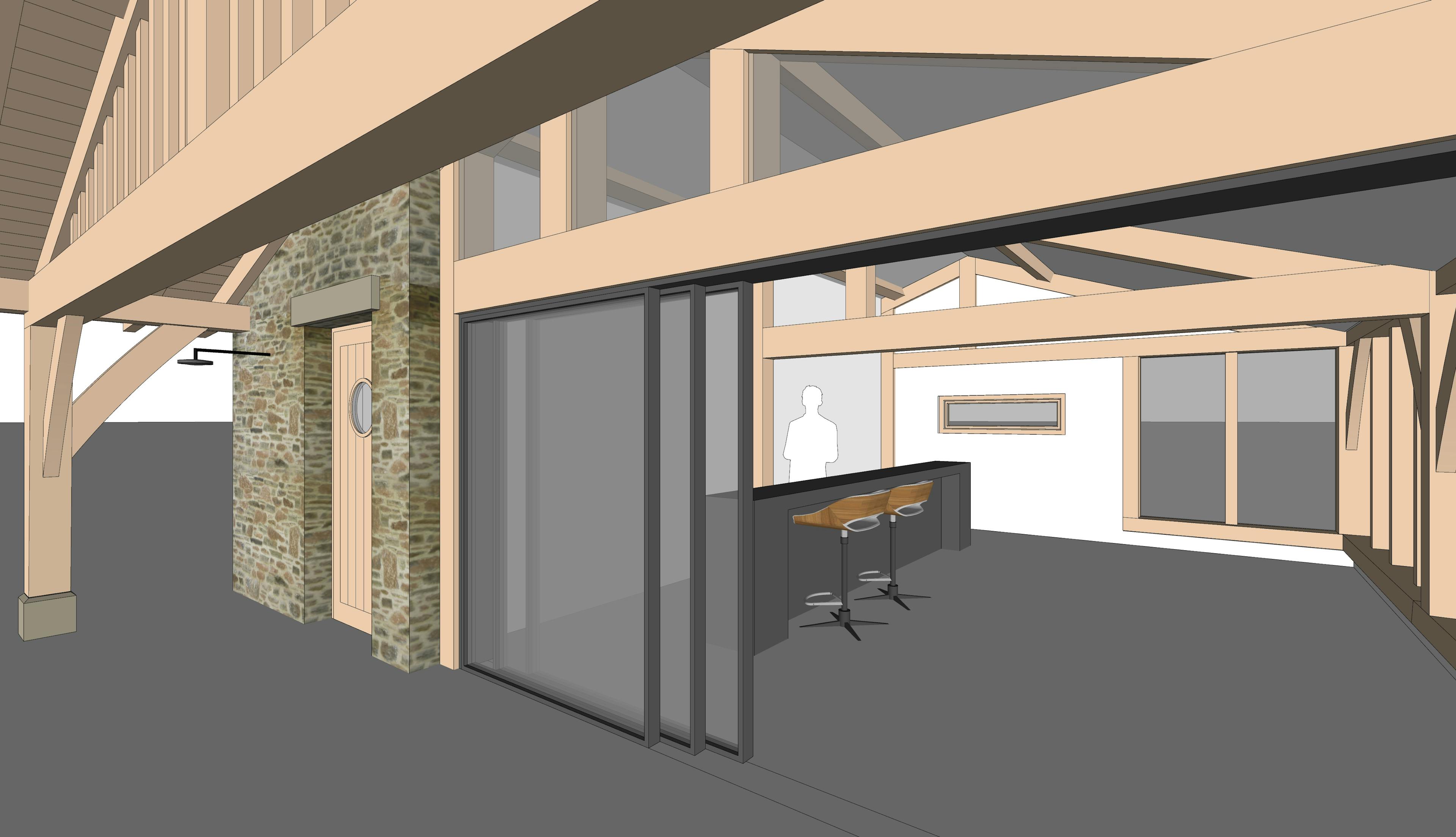
This stage transforms the agreed concept into a fully coordinated, buildable solution. All architectural, structural and performance elements are developed in detail to support manufacture, approvals and construction.
Technical design typically includes:
- Detailed timber frame layout and engineering
- Structural coordination with foundations and existing buildings
- Energy performance, insulation strategy and airtightness detailing
- Glazing strategy, junctions and interfaces
- Materials, finishes and technical detailing
- Building Regulations and supporting technical information
For extensions and renovations, particular attention is given to:
- Structural connections between new oak frame and existing fabric
- Differential movement and junction detailing
- Thermal continuity and condensation risk management
- Integration of new doors, windows and large glazed elements
This stage provides clarity, certainty and accuracy - reducing risk on site and enabling confident pricing and construction.
8. Tender & Construction
With technical design complete, the project moves into final cost confirmation and preparation for build.
At this stage:
- Timber frame, glazing and wrap packages are fully defined
- Final pricing is confirmed based on coordinated technical information
- Contractor roles, responsibilities and sequencing are agreed
- Lead times and installation programmes are coordinated
Because key design and engineering decisions have already been resolved, this stage is focused on confirmation rather than discovery. This ensures a smoother transition from design to site and a more controlled construction process.
The project is now fully prepared to move into manufacture, delivery and erection of the timber frame.
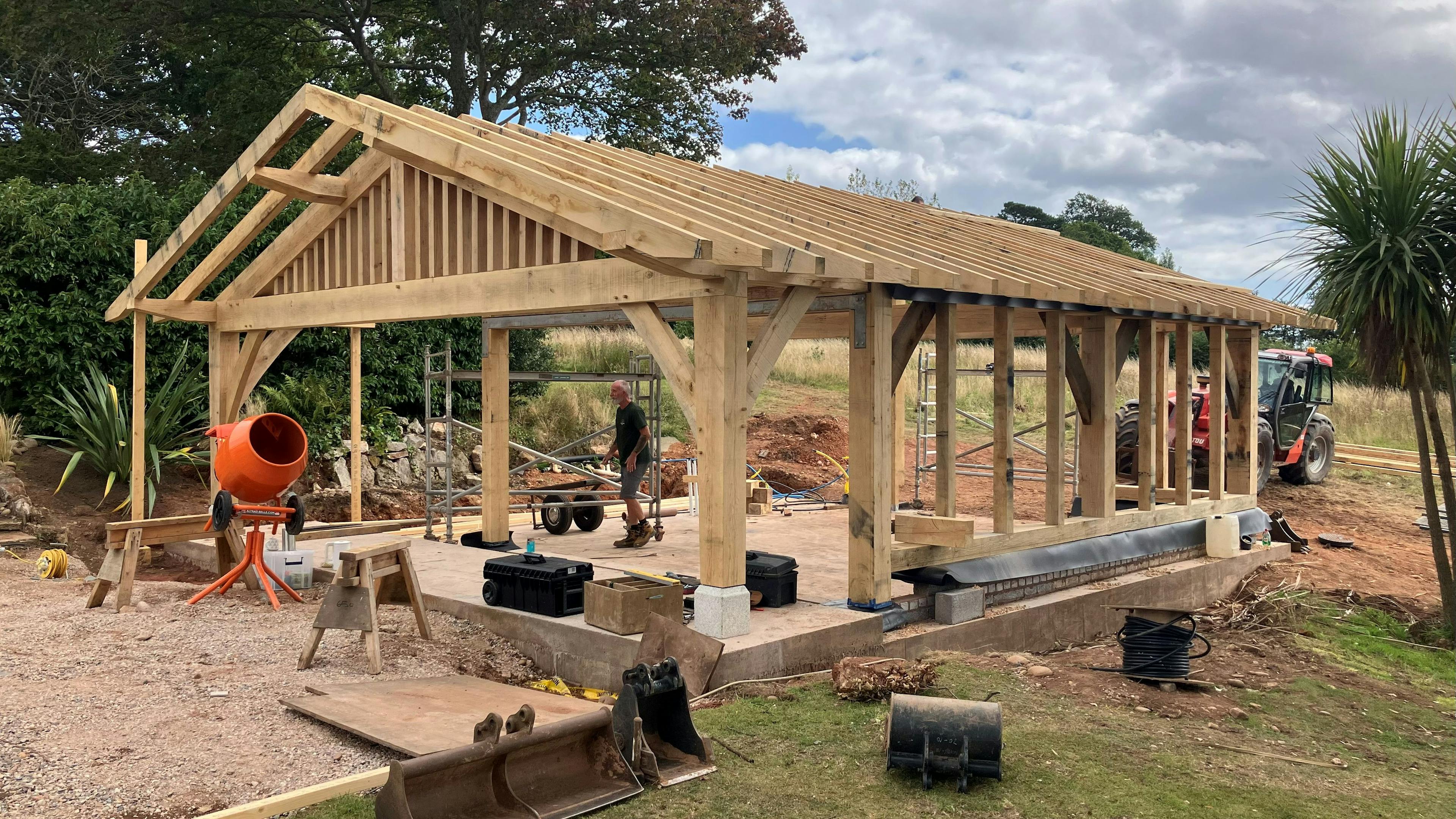
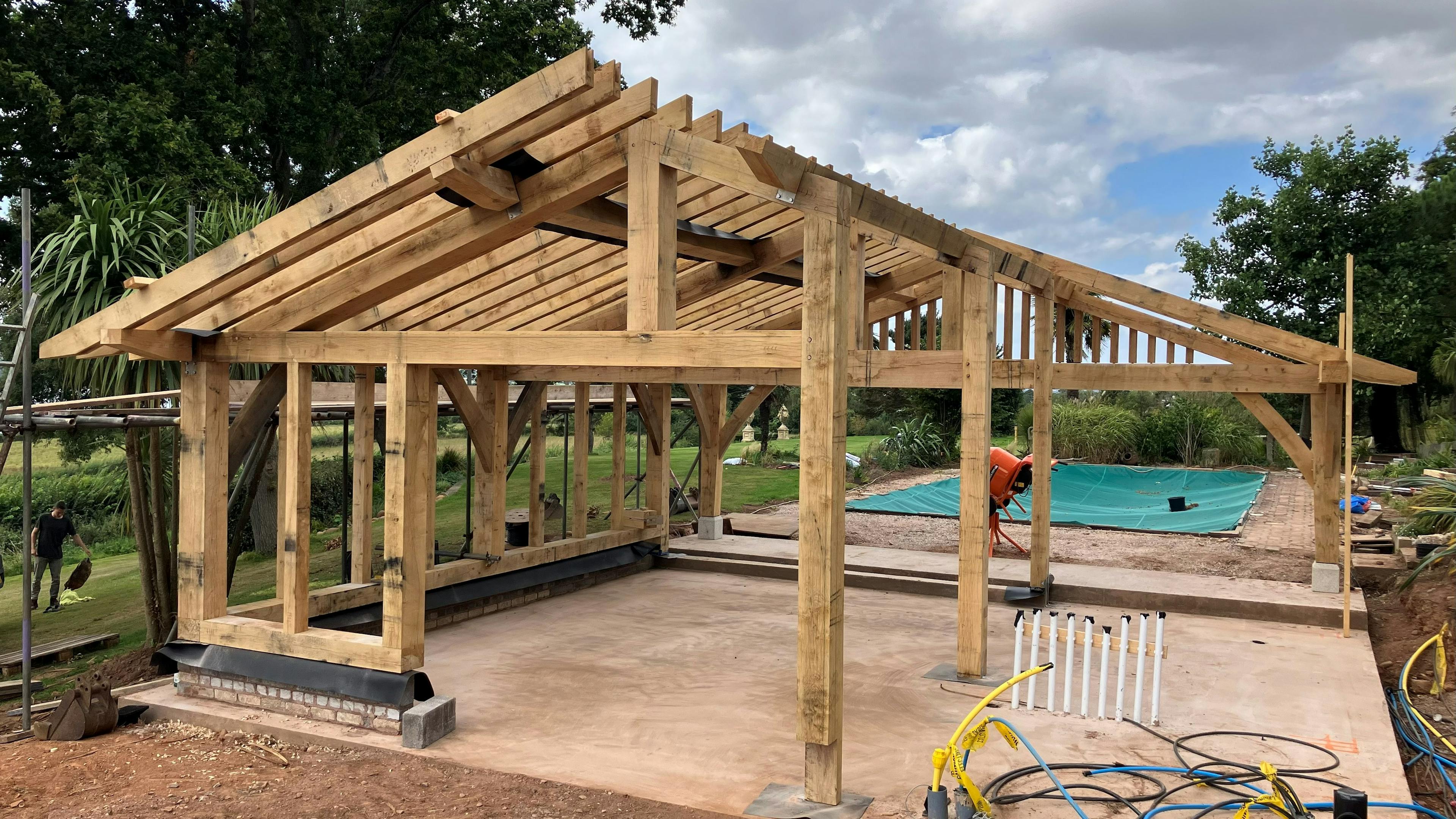
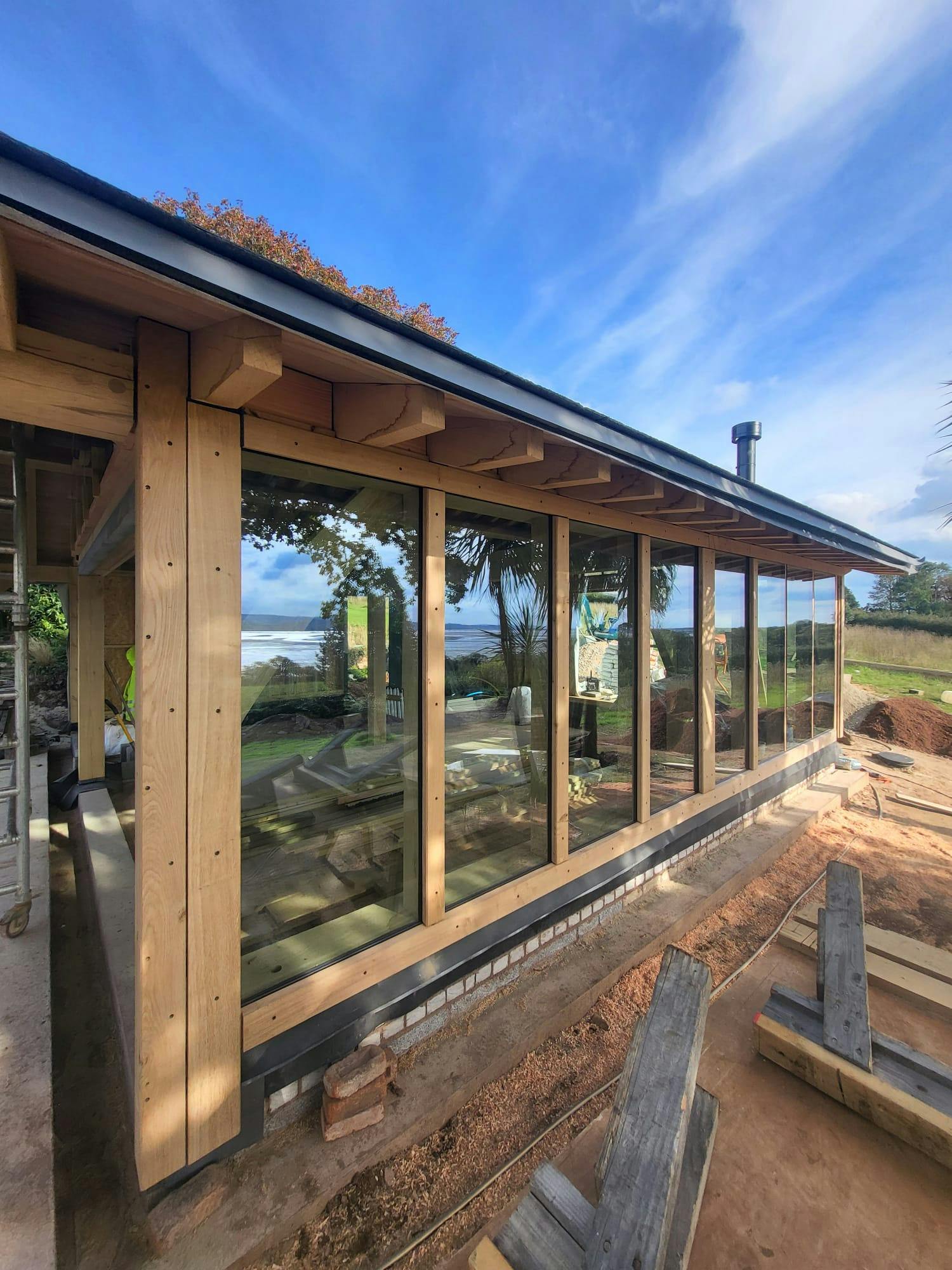
Starting a timber frame self-build - whether a new home, extension or outbuilding - is about vision, planning and collaboration. Early research, realistic budgeting, engaging the right professionals and understanding approvals will greatly improve your experience and outcome.
At Carpenter Oak, we specialise in helping clients through every stage of their timber frame journey - from initial ideas and concept design to fabrication and on-site frame raising. If you’re considering a project, get in touch to explore your vision and discover how crafted structural timber can elevate your spaces.

Planning a similar build?
Get in touch with our specialist team
Get in touch